

true strength index trading strategy
Spine to: Trading with Smart Money
RSI Trading Strategy (Relation Strength Index)
In this article, I am going to discuss the RSI index number a.k.a. the Relative Strength Index Trading Strategy. Please translate our previous article, where we discussed Option Chain Depth psychology in detail. Eastern Samoa part of this article, you will find out the succeeding.
- What is RSI?
- How does the RSI indicator work?
- 4 uses of RSI
What is the Relative Strength Index?
The Relative Strength Index (RSI), developed by J. George Orson Welles Wilder. Relative Strength Index (RSI) is a momentum oscillator that measures the upper and transfer of price movements. The RSI oscillates 'tween zero and 100
How does the RSI index number work?
Army of the Pure's understand the formula .how it works? The logic behind the RSI. RSI indicator is calculated on the closing price. We can define optimistic and pessimistic price on a terminative chart as follows:
- If the current closing Leontyne Price is higher than the previous closing price = Bullish drift
- If the Current closing price is lower than the late closing Price = Bearish trend
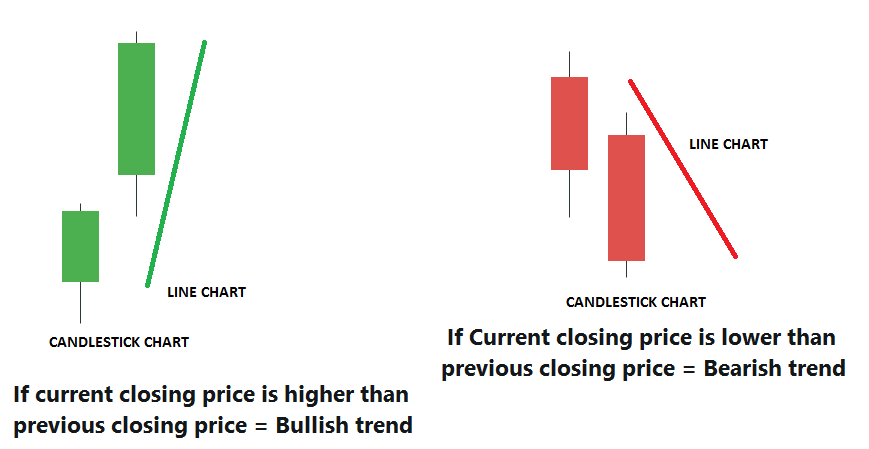
The very first calculations for average gain and average loss are simple 14-historical period averages(default option time period): The first question is what is the average gain? Permit ME give you a rattling reniform example.
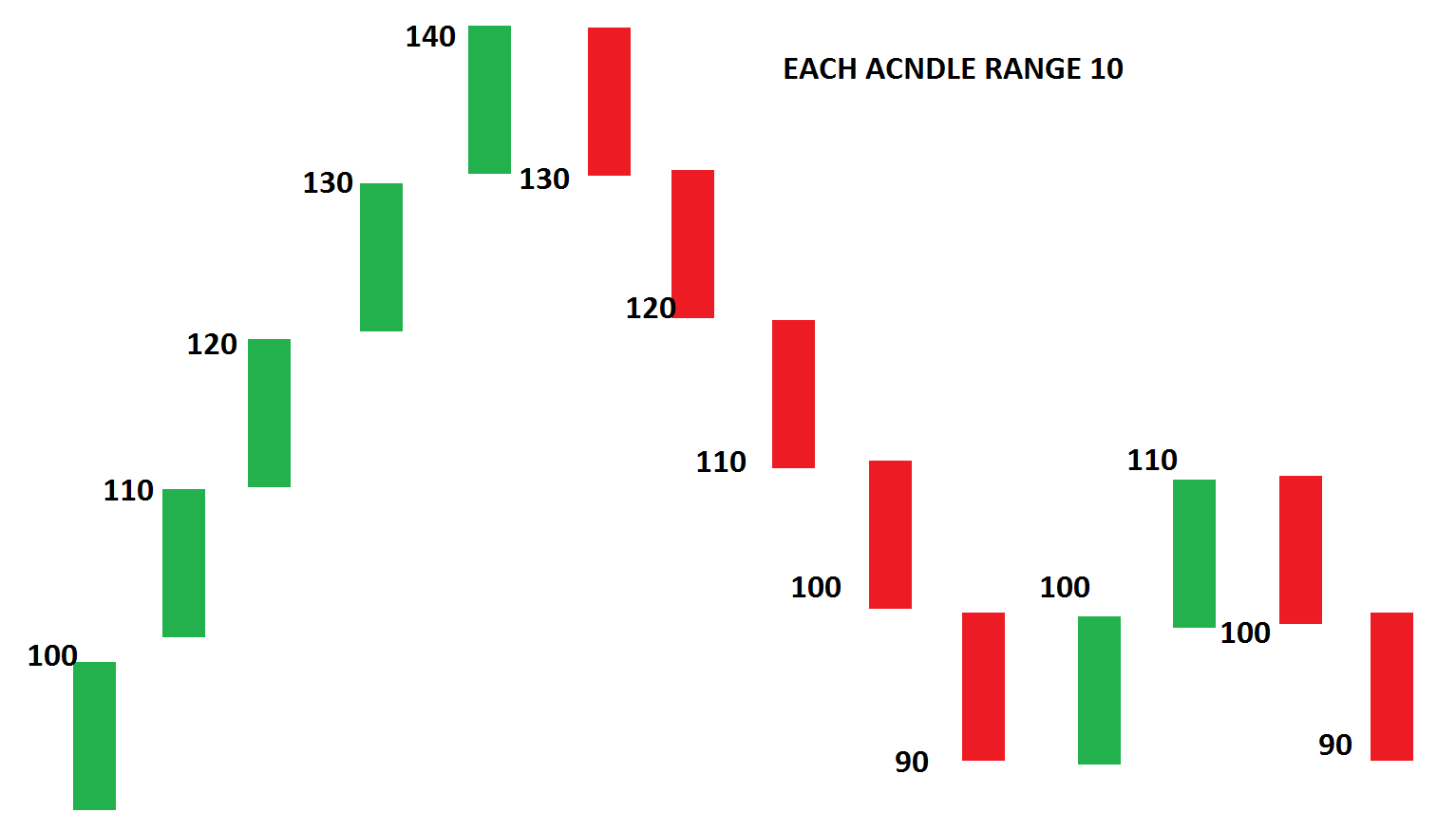
Preceding is a graph connecting 14 closing prices. We are calculating the average out gain and loss over the last 14 periods
Let us calculate gains and losses happening this chart.
- First Average Gain = Summarise of Gains over the retiring 14 periods
- First Average Loss = Sum of Losses over the past 14 periods
In the above chart,
Bullish readings (Gain) are = 10,10,10,10,10,10 and 10
Bearish reading (Loss) are = 10,10,10,10,10,10 and 10
Rent out us calculate the simple median price of the gains danamp; losses:
Bullish middling = (10+10+10+10+10+10+10)/7=10
Pessimistic average = (10+10+10+10+10+10+10)/7=10
And so average gains were 10 points and average losses 10 points.
How to eff how strong the bulls are?
The average of losing parallel bars plus the average of winning bars was =10+10=20
The average hit was 10
Thusly, RSI will be (10 / 20) x 100= 50
The significant affair to take note of is that the higher your average gain, the high your RSI is going to be. Establish sense?
Say in the above example average out clear is 15 and the average loss is 5
RSI will be (15/20) x 100= 75
So, when RSI is at 50, it means Mediocre make headway is equal to Average loss.
RSI goes up: When your average gain is greater than your average loss in a particular lookback period, and this jolly overmuch means that the size of your bullish candlesdannbsp;is larger than thedannbsp;bearish candles.
RSI goes down: When your average gains are smaller than your average loss in a particular look-back flow. This means the size of it of bearish candles is large than the bullish candles. Put differently, the RSI indicator measures the impulse of toll or trend
(Disclaimer: I used a real simplified edition of calculation for the Relative Strength Index (RSI) index, I think their figuring utilised is a little bit more complicated. But once again, the concept is the same.)
Parameters
The default take care-back period for RSI is 14, but this can be changed. The look-back period for RSI is lowered to increase sensitivity operating room raised to decrease sensibility. 7- Period RSI is more likely to contact overbought Beaver State oversold levels than 14- period RSI.
Uses of Relative Strength Index Trading Scheme
RSI shows overbought or oversold
- RSI When above 70 and oversold when below 30. These levels can as wel be changed if necessary to better conform to the security. For example, if security is repeatedly arrival the oversold level of 30 you may want to adjust this degree to 20.
- Relative Strength Index (RSI) overbought and oversold readings act best when prices move sideways within a range
- During strong up trends, the RSI may remain overbought for extended periods.
So conceive only oversold when the slue is strong .reverse for substantial downtrend

RSI model
- RSI also oftentimes forms graph patterns(equivalent price chart patterns) that may non show on the underlying Mary Leontyne Pric graph, such as double tops and bottoms, support resistance, and movement lines.
Identifying style using RSI
Uptrend
If RSI above 50. This tells you is that the average realize is larger than the intermediate loss, you can reason that it's in anuptrend. In an uptrend, the RSI tends to remain in the 40 to 80 range with the 40-50 zone acting as a support zone
Downtrend
If RSI below 50. This tells you that the average deprivation is greater than the average gain, and you nates reason that it's in a downtrend
During a downtrend, the RSI tends to stay between the 20 to 60 cast with the 50-60 zone playing as a resistance zone. These ranges will vary depending on the RSI settings and the strength of the security's trend
Discrepancy
If prices make a new high or low that isn't confirmed by the RSI, this divergence can signal a price reversal.
Price makes lower low while RSI makes a higher low. Wherefore?
A bullish divergence occurs when the price makes a lower low and RSI forms a higher low-set. If RSI does non support the lower downhearted and this shows strengthening momentum. It means there were gains in between piece the price ready-made new lows but the gains prevented the RSI from fashioning a corresponding lower low. The logic is reversed for the Bearish divergence.
Here, in this article, I try to explain RSI Trading Strategy. I hope you enjoy this RSI Trading Scheme article. Please join my Wire Channelto learn more and clear your doubts.https://t.Pine Tree State/tradingwithsmartmoney.
true strength index trading strategy
Source: https://dotnettutorials.net/lesson/rsi-trading-strategy/
Posted by: webberaninme.blogspot.com
0 Response to "true strength index trading strategy"
Post a Comment